Halal ryokan in Japan: what exists, and how to book one well
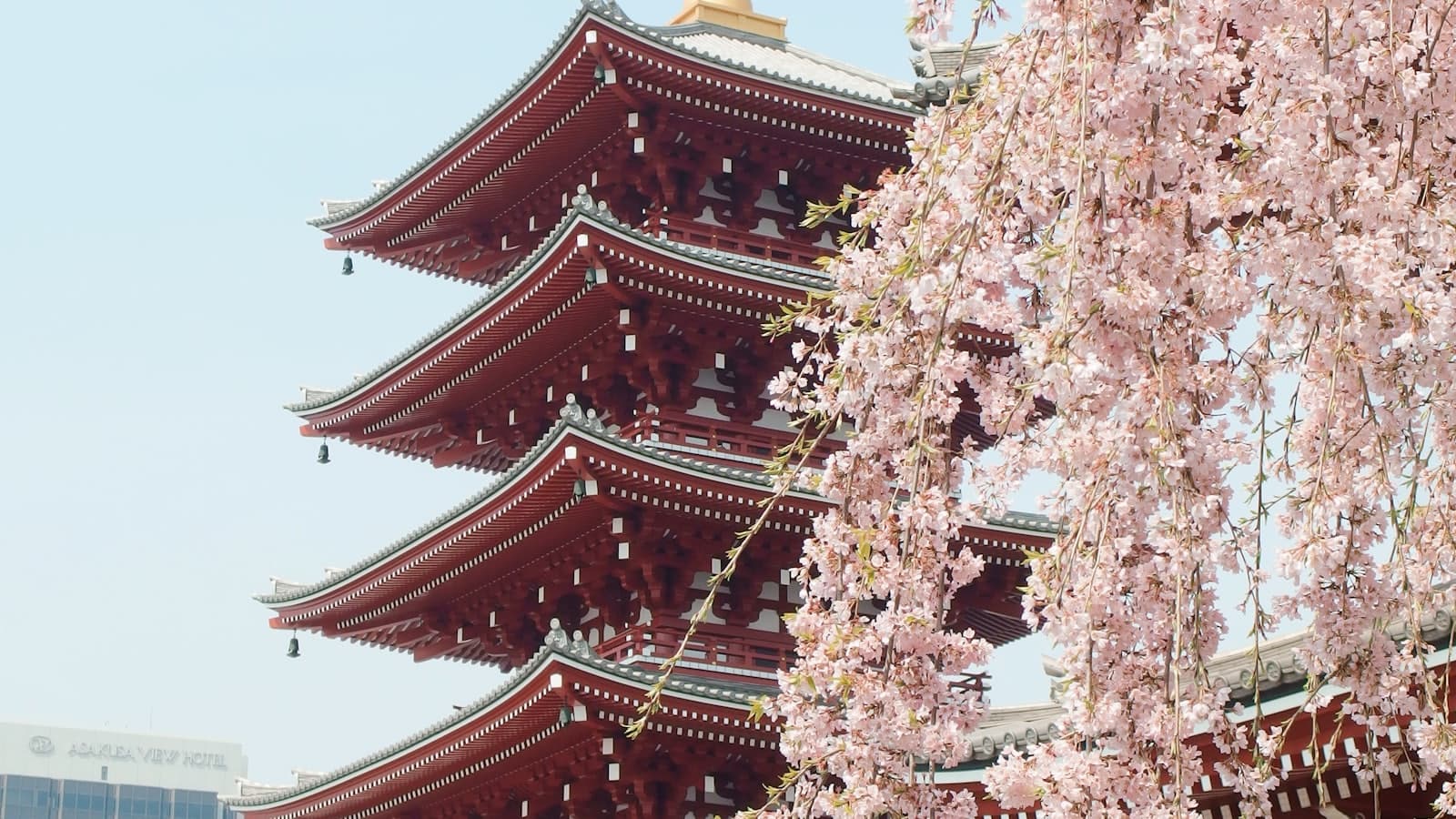
A night in a ryokan — tatami floors, a kaiseki dinner, an onsen bath — is the classic Japan experience, and the one Muslim travellers most often assume is off-limits. The honest picture: fully halal-certified ryokan are extremely rare, but a growing number will adapt meals and offer private bathing if you ask early and clearly. This guide covers what to request, what to check, and where a Muslim-friendly hotel with ryokan elements is the more reliable choice.
What “halal ryokan” actually means
Almost no ryokan in Japan holds halal certification. What exists is a spectrum of Muslim-friendly adaptation: kitchens that will cook without pork, lard, or alcohol-based seasonings on advance notice; a handful that keep separate utensils; and inns that simply cannot adapt a traditional kaiseki at all. Treat every listing that says “halal” loosely until you have confirmed the details in writing — the same discipline we apply to every claim on Safar.
The good news is that adaptation, where offered, is usually done with real care. Japanese hospitality takes dietary requests seriously once they are understood — the work is in communicating early, specifically, and politely.
Kaiseki without pork or alcohol: how to ask
Kaiseki is the heart of a ryokan stay — and its hidden ingredients are the real risk: dashi stock, mirin, sake, and soy sauces routinely carry alcohol; pork can appear in broths you would never suspect. Write to the ryokan at least one to two weeks ahead, list what you avoid explicitly (pork and pork derivatives, alcohol including mirin and cooking sake), and ask what they can substitute rather than whether the meal “is halal”. Specific questions get honest answers.
Expect a seafood- and vegetable-led menu when adaptation works. If the kitchen replies that it cannot separate ingredients, believe them and book a room-only stay instead — eating at a nearby halal restaurant while keeping the tatami-and-onsen experience is a perfectly good compromise.
Onsen and privacy: book the private bath
Communal onsen bathing is unclothed and separated only by gender — still incompatible with awrah for most Muslim guests. The solution is well established: many ryokan offer kashikiri (private reservable baths), and higher-end rooms increasingly come with a private open-air bath (rotenburo) attached. Ask for “kashikiri onsen” or a room with a private bath when you enquire, and reserve bathing slots at check-in — they fill up first.
For families this is genuinely one of Japan’s best experiences: a private onsen slot with children is calm, contained, and memorable.
Prayer in a tatami room
A tatami room is, conveniently, a clean floor made for sitting — praying in your room is simple. Bring a travel prayer mat and a qibla app; futons are laid out only at night, so the floor is clear for most of the day. Ryokan meal times are fixed and early (dinner often at 18:00–19:00), so check prayer times against the meal schedule and ask to shift dinner slightly if they collide — most inns accommodate a 30-minute adjustment happily.
The reliable alternative: hotels with ryokan elements
If the email exchange feels uncertain, there is a dependable middle path: city hotels that offer the textures of a ryokan — gardens, kaiseki dining, Japanese suites — with the operational maturity to handle Muslim dietary requests properly. Hotel Chinzanso Tokyo, in our verified listings, documents its Muslim-friendly kaiseki adaptations and in-room prayer amenities on its own website, with the honest caveats stated plainly. That combination — the experience, with the claims verifiable — is exactly what we look for.